


Nori
Rein’s open-source community agent answers questions on Discord and helps members find resources.
A NONPROFIT ORGANIZATION FOR AI AGENT SAFETY
We bring people together and support open-source projects and research to make AI agents safe, with a focus on transparency, observability, and policy controls.
01 / Why agent safety
Agents use tools, access systems, and carry out tasks. We support the research, open-source work, and shared knowledge that help people understand and oversee those actions.
Our approach to AI agent safetyRein’s open-source community agent answers questions on Discord and helps members find resources.
November 2026 preprint by Zexin Li, Xueyi Zhang, Tao Ren, and Yiming Chen. The authors study how an audio agent can keep answering on-device when it loses its server connection.
Browse Rein’s repositories on GitHub
Explore our community programs03 / An AI-native organization
We use AI agents to support research, coordination, and operations. We also explore how they can help monitor other agents. People set limits, review consequential decisions, and remain responsible for the outcomes.
Human Board carries legal accountability.
DAO participates through one collective vote.
AI Agents execute within visible policy.
Our funding priorities are accessible events, shared learning, open-source projects, and safety research. Giving channels remain subject to legal and operational approval.
04 / Community
Meet people working with AI agents, join local and online events, share learning materials, and help each other prepare for AI agent roles.
Browse AI agent learning resourcesStay connected
Get news about Rein’s research, learning resources, and community activities by email.
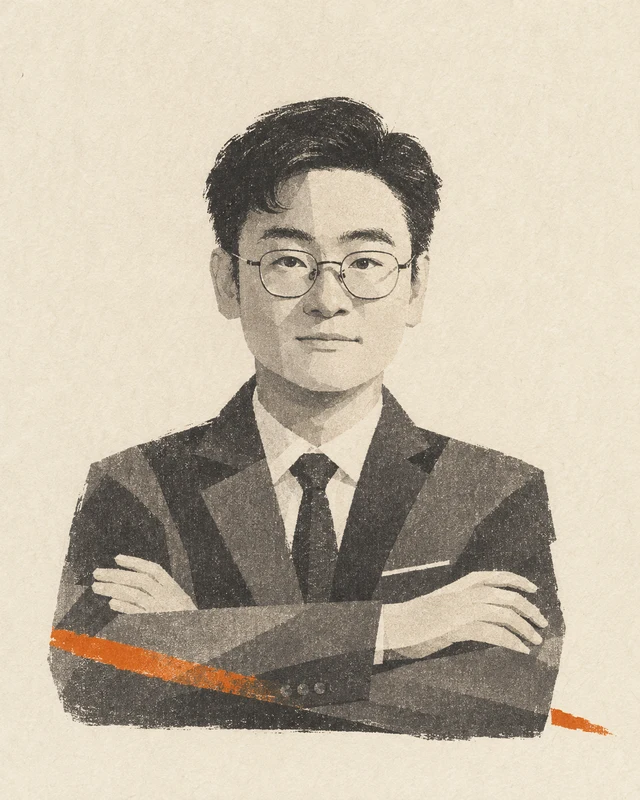
Founder & Board Chair
AI Agent Builder & Researcher · ex-TikTok engineer
Tempest builds super agents and studies how people can evaluate and oversee their work. As founder and board chair, he sets Rein’s research and community priorities to advance AI agent safety.
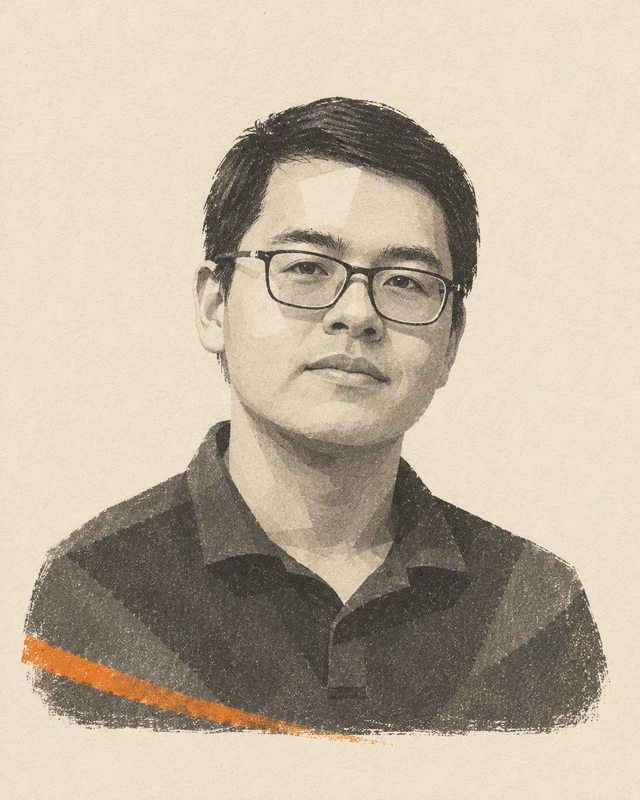
Board Director
Postdoctoral Research Fellow, Nanyang Technological University
Zexin studies how machine learning models can run reliably on devices with limited computing power. His research spans real-time embedded systems and on-device learning.